

By Saheli Plus | January 17, 2025
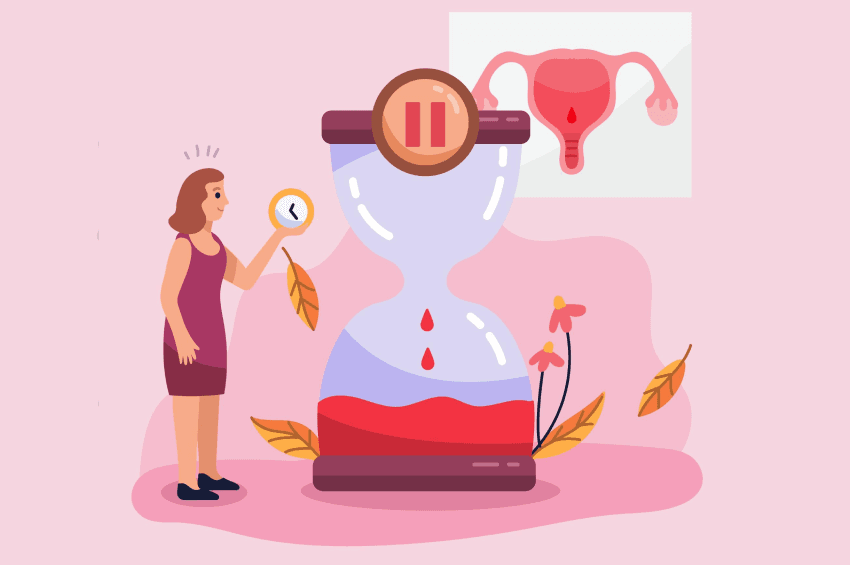
Contraception helps in women's empowerment, as it lets them continue their education, build a career, become financially independent, and implement family planning according to their goals in life.
However, it is crucial to have a clear timeframe to achieve those goals because fertility is not constant throughout your life. Fertility peaks at a certain age and gradually goes down until eventually, you reach menopause.
Age is one of the most significant factors that determine female fertility. Your age influences the chances of conception and pregnancy outcomes. So, family planning and preparing for pregnancy require understanding how female fertility changes with age and ensuring you plan pregnancy at the right time.
Numerous biological changes occur in the ovaries with age, causing a decline in fertility. The two main reasons for the age-related decline in fertility are egg quality and quantity.
The quality of the egg diminishes with age. The egg acts as the carrier of genetic material. As the age increases, the chances of chromosomal abnormalities go up, leading to:
Women are born with a finite number of eggs, typically around one to two million. By puberty, only about 300,000 to 400,000 eggs remain. As you age, the number of eggs depletes, reducing fertility potential.
Since new eggs cannot be produced, the reduced number of eggs impacts ovulation and conception chances.
| Age Range | Fertility Levels | Egg Quality & Quantity | Chance of Conception | Pregnancy Risks |
|---|---|---|---|---|
| 20s | Fertility is at its peak | Highest number of healthy eggs | 25-30% | Minimal risk |
| 30s | Fertility starts declining | Reduced egg quality and ovarian reserve | 15-20% | Slightly higher risk |
| 35-40 | Fertility declines further | Depletion of egg quality and quantity | 10% or less | Increased risk of complications |
| 40 and above | Closer to menopause | Nearing the end of the menstrual cycle | Less than 5% | High risk of miscarriage and complications |
Planning pregnancy at the right age is essential, but if you need to postpone, you should be aware of fertility changes and associated risks.
If postponing pregnancy, it is crucial to choose an easily reversible contraception that does not affect fertility. Hormonal contraceptives may take time to restore hormonal balance after discontinuation.
Saheli Plus is the world’s only non-steroidal oral contraceptive pill, free from side effects. Approved by DCGI and included in India’s National Family Welfare Programme, it is a trusted contraceptive for preserving fertility.
Age is a crucial factor in female fertility, with natural conception becoming more challenging after 35. However, informed choices about contraception can help preserve reproductive health. Non-hormonal options like Saheli Plus allow women to delay pregnancy without disrupting natural fertility.
No, 34 is not too old, but fertility starts declining. Women may take longer to conceive, and risks slightly increase, but healthy pregnancies are still common.
By age 30, around 90% of a woman’s eggs are depleted. Fertility declines further, with a sharper drop after 35.
While age-related decline is natural, egg quality can be managed through a healthy diet, antioxidants, stress reduction, and maintaining a healthy weight.
Signs include irregular periods, low ovarian reserve (confirmed by AMH tests), failed IVF cycles, higher miscarriage rates, and chromosomal abnormalities leading to implantation failure.
By Saheli Plus | March 24, 2026
By Saheli Plus | March 3, 2025
By Saheli Plus | February 24, 2026
By Saheli Plus | February 5, 2026
By Saheli Plus | January 22, 2026
By Saheli Plus | January 6, 2026
By Saheli Plus | December 19, 2025
By Saheli Plus | December 4, 2025
By Saheli Plus | November 25, 2025
By Saheli Plus | November 4, 2025